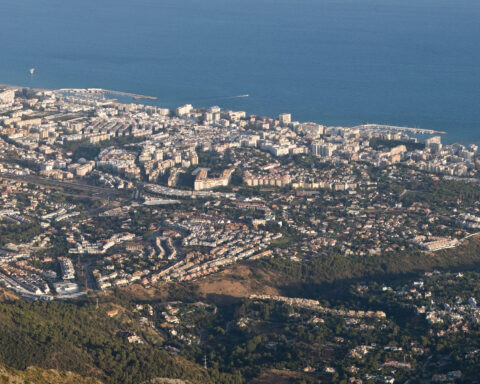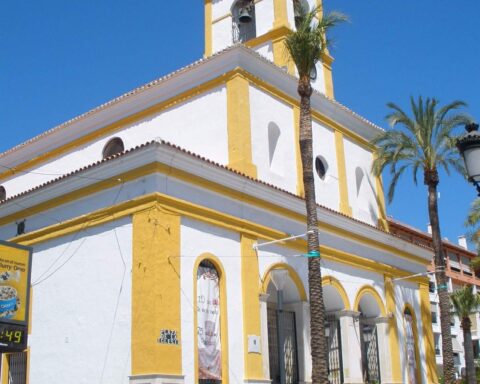
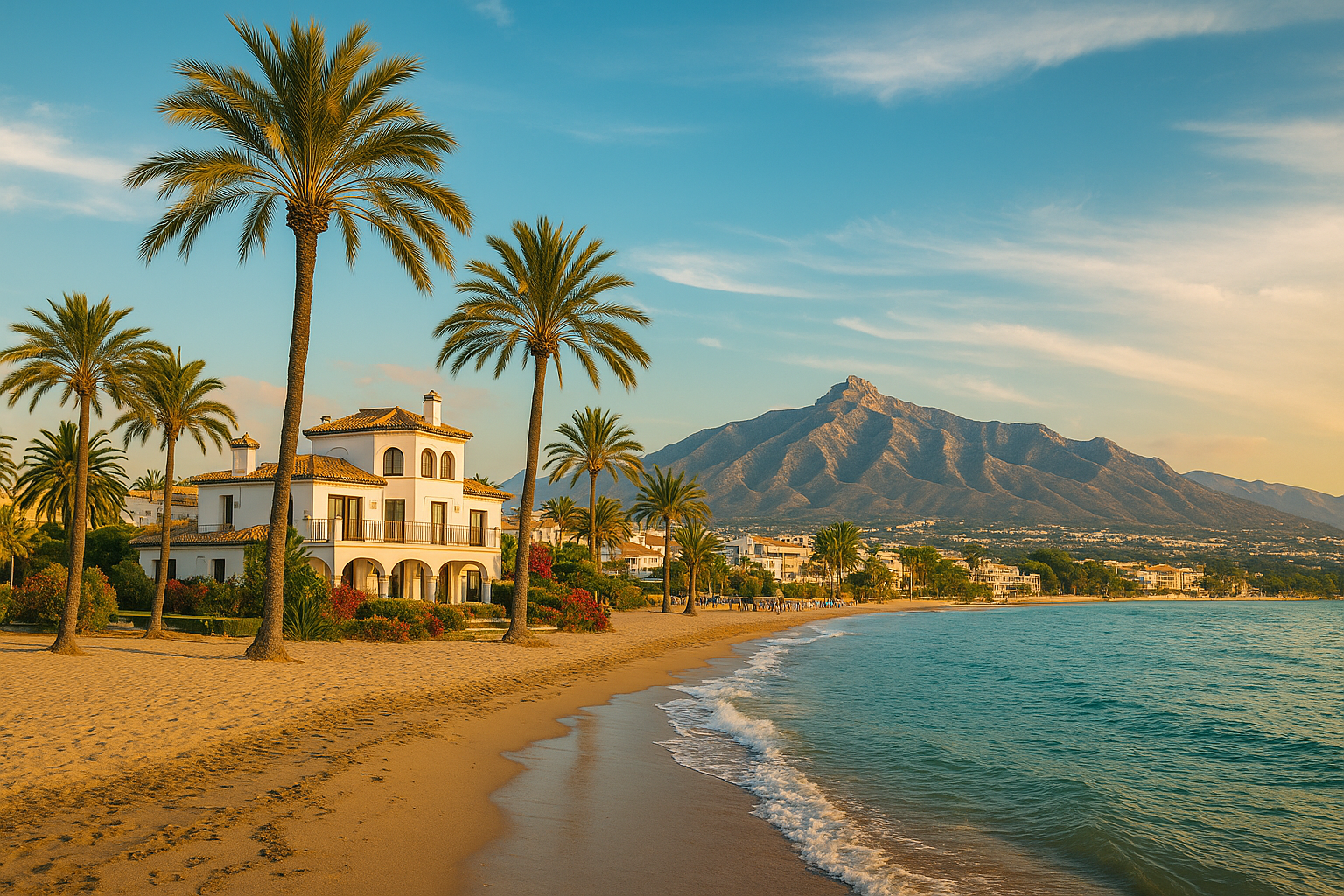
Living in Marbella Spain offers golden sands, cosmopolitan vibes and an enviable micro-climate that draw families and entrepreneurs from across Europe. Yet moving to a new city raises questions about education, medical care and everyday expenses. This in-depth guide answers those questions, providing a clear picture of what life in Marbella is really like in 2025.
Marbella is really like in 2025.
Schools in Marbella: Options for Families
Public and private schools
For families living in Marbella Spain, the Spanish education system offers free schooling for residents. Marbella’s public schools follow the national curriculum in Spanish and are funded by the government. Families seeking smaller class sizes, bilingual tuition or specific curricula often choose private or international schools.
Living in Marbella Spain: Top International Schools
- Colegio Alborán – Located in Las Chapas, Colegio Alborán combines a bilingual curriculum with a beautiful natural setting. Around 600 students from ages 5‑18 study here, enjoying facilities such as an outdoor swimming pool, stables, sports courts and a strong focus on caring for animals. Tuition ranges from €650–€1,100 per month.
- Svenska Skolan Marbella – This Swedish international school in Nueva Andalucía teaches children aged 3–12 following Sweden’s national curriculum. In 2024 it introduced a Cambridge‑accredited International Programme for grades 7‑8, offering subjects such as English, Mathematics and Science. Small class sizes (maximum 20 students) and a modern campus near Puerto Banús make it popular with Nordic families; fees are around €4,100–€4,990 per term for primary and €6,750 per term for secondary students.
- Aloha College – One of Marbella’s largest bilingual schools, Aloha College serves about 840 students aged 3‑18 from more than 50 nationalities. The school blends the International Primary Curriculum, the English national curriculum, IGCSEs, A‑Levels and the IB Diploma, ensuring smooth transitions to universities worldwide. Its campus in Nueva Andalucía boasts modern science and arts buildings, a large library, a FIFA‑certified football pitch and a 2,000‑m² sports complex.
Other well‑known schools include the British International School of Marbella, Laude San Pedro International College and Swans International School. Each offers variations on the British or International Baccalaureate curricula and caters to the town’s multinational community.

Healthcare: Public and Private Options
Access to Spain’s public healthcare system depends on a person’s circumstances, including work and social-security status, residence and any applicable reciprocal arrangements. It is not determined by nationality alone. Eligible residents can confirm registration and health-card requirements with their local public health centre or Salud Responde on 955 54 50 60.
A European Health Insurance Card, known as an EHIC, gives an eligible visitor access to medically necessary, state-provided care during a temporary stay under the same conditions and at the same cost as people insured in Spain. It does not cover private treatment or planned care and is not a substitute for travel insurance. Current UK government health advice for Spain says eligible UK visitors should carry a valid UK-issued EHIC or Global Health Insurance Card, known as a GHIC.
Public hospital
- For an emergency, call 112 or 061. The free 112 number coordinates ambulance, police and fire services. The 061 number is Andalucía’s direct public medical-emergency line, available 24 hours a day throughout the year. Follow the call handler’s instructions.
- Hospital Universitario Costa del Sol is the area’s public specialist hospital. The Andalusian Health Service’s official centre page lists it at Carretera Nacional 340, kilometre 187, 29603 Marbella. For an active emergency, use 112 or 061 rather than relying on a hospital switchboard.
Private hospitals and clinics
Marbella also has private hospitals, clinics, ambulances and home-doctor services. Private care normally requires insurance authorisation or direct payment. Before non-emergency treatment, confirm that the provider is registered, whether it is covered by your policy, what the fee includes and whether pre-authorisation is required. Do not assume an EHIC or GHIC covers a private provider.
For emergency contacts, visitor cover, public services and a neutral checklist for choosing private care, read our detailed healthcare in Marbella guide.
Healthcare information last checked 4 August 2026 against the Junta de Andalucía’s urgent-care guidance, its official 061 service information, the Andalusian Health Service hospital directory, the European Union’s EHIC guidance for temporary stays and UK government health advice for Spain. This is general information, not medical or insurance advice.
Cost of Living in Marbella
Marbella’s lifestyle comes with a price tag higher than many other Costa del Sol towns. According to recent expat estimates, a single person can expect to spend around €1,600 per month on living expenses. Key costs include:
- Housing: A one‑bedroom apartment in the city centre typically costs from €800, but more often around €950 per month. Upscale areas such as the Golden Mile or beachfront locations command significantly higher rents. Nearby districts like Nueva Andalucía or San Pedro de Alcántara offer more space and slightly lower prices.
- Utilities: Heating, electricity and water for two people average €100 per month. Note that many Andalusian homes lack central heating, so you may need portable heaters in winter.
- Food: Groceries for one person cost about €300 per month, with fresh produce readily available at local markets.
- Transport: A monthly bus pass costs around €36.37. Many residents choose to drive; parking in the centre can be expensive in summer.
- Internet & mobile: Broadband packages average €28.75 per month.
- Health insurance: If you opt for private coverage, expect premiums from €50–€150 per month, depending on age and coverage.
Living costs are higher in luxury districts such as La Milla de Oro and lower in neighbouring towns. Families with children should also budget for school fees if opting for private or international education. Overall, living in Marbella Spain requires budgeting for both essentials and leisure, but the quality of life justifies the cost.
Living in Marbella Spain: Best Neighbourhoods
- Centro Histórico – Ideal for singles or couples, the old town offers cafes, boutiques and easy access to beaches.
- Nueva Andalucía – A large residential area that includes Puerto Banús, popular with families for its proximity to golf courses, supermarkets and international schools.
- Golden Mile (La Milla de Oro) – Home to luxury villas, five‑star hotels and exclusive restaurants; perfect for those seeking a glamorous lifestyle.
- San Pedro de Alcántara – Located just west of Marbella, this town provides a quieter, more traditional feel while remaining close to amenities.
Final Thoughts
Moving to Marbella means embracing a sun‑kissed, cosmopolitan lifestyle. World‑class schools cater to international families, healthcare options range from state‑funded hospitals to private clinics, and living costs – though higher than elsewhere – reflect the quality of life on offer. Whether you’re relocating for work, retirement or a change of scenery, Marbella combines Mediterranean charm with modern conveni
For more insights on living in Marbella Spain, explore our Lifestyle section and visit the official websites of Colegio Alborán and Costa del Sol Hospital.